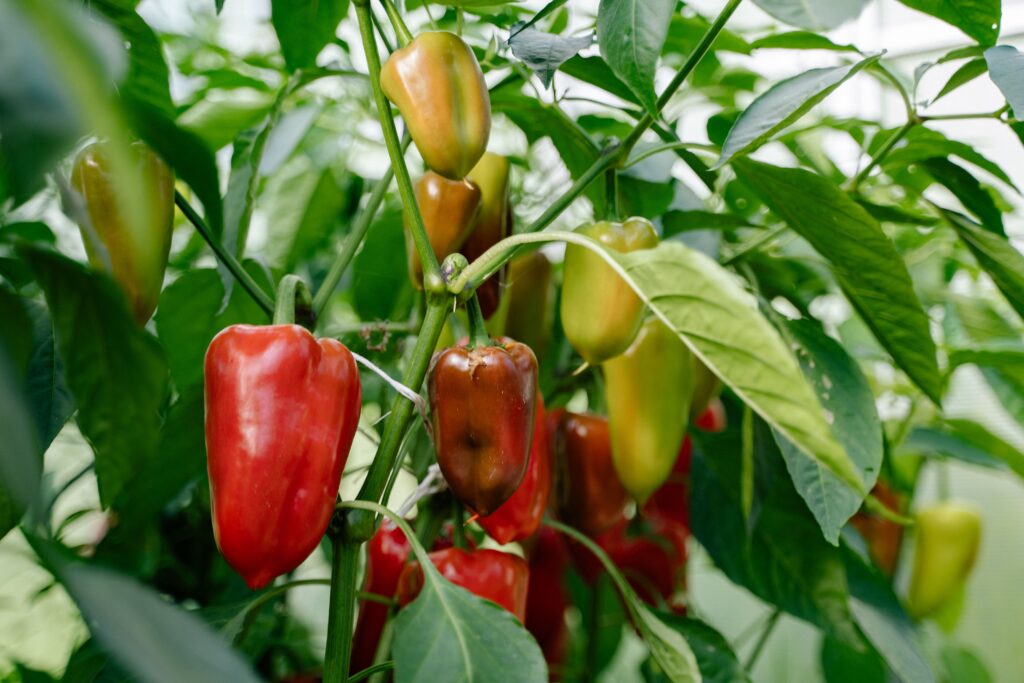
Pepper production in Almería is facing an increasingly challenging situation due to the spread of Thrips parvispinus, an invasive pest that has become one of the main phytosanitary challenges facing protected horticulture in southeastern Spain. Its impact is particularly significant in the Poniente region of Almería, where it threatens both crop yields and the profitability of numerous farms.
Although the pest had already been detected in previous growing seasons, the 2025/2026 season was marked by a significant increase in crop damage, leading to production losses and the premature removal of some pepper crops.
This situation has forced the sector to strengthen prevention and control strategies while calling for new tools to tackle a pest that is becoming increasingly difficult to manage.
Thrips parvispinus in Pepper Crops: A Growing Threat to Almería’s Horticultural Sector
One of the main concerns among growers is the development of Thrips parvispinus populations following summer transplanting.
Environmental conditions in late summer and autumn can favour thrips population growth, with significant increases during September and population peaks typically occurring between October and November.
This pattern coincides with a critical stage in greenhouse pepper production, when plants continue to develop and fruit acquires increasing commercial value.
The damage caused by this pest goes beyond its mere presence on the crop. Feeding activity can affect leaves and shoots, reduce plant vigour and cause fruit deformation, significantly lowering its market value.
In the most severe cases, pest pressure can compromise the economic viability of the crop.
Source: Regional Government of Andalusia. Phytosanitary Resolution of 10 April 2026 and 2025/2026 growing season assessment.
Pest Spread: A Challenge Affecting the Entire Production Area
One of the main obstacles to containing Thrips parvispinus is its ability to persist and spread between crops and neighbouring farms.
When a greenhouse develops a high pest population, it can become a source of infestation for adjacent farms. For this reason, decisions made at the end of a growing cycle can directly affect the phytosanitary status of neighbouring crops.
In an intensive horticultural area such as Almería, where greenhouses are located close to one another and production cycles follow throughout the year, preventive measures implemented within a single farm may prove insufficient without coordinated action across the entire production area.
Removing plants and crop residues, managing infestation hotspots and correctly implementing crop removal protocols are essential measures to reduce pest pressure and prevent further spread.
Compliance with Crop Removal Protocols: A Key Preventive Measure
The severity of the situation has led the Regional Ministry of Agriculture of the Government of Andalusia to intensify inspections to verify compliance with mandatory phytosanitary measures.
According to data published by the regional administration on 15 October 2026, approximately 900 inspections had been carried out and nearly 300 penalties had been imposed, mainly due to non-compliance with crop removal protocols.
According to data published by the regional administration on 15 October 2026, approximately 900 inspections had been carried out and nearly 300 penalties had been imposed, mainly due to non-compliance with crop removal protocols.
These figures highlight the importance of responsible crop management at the end of each production cycle, preventing plant residues and abandoned crops from becoming reservoirs of the pest.
Controlling Thrips parvispinus: The Importance of an Integrated Management Strategy
Experience has shown that no single measure can guarantee complete control of Thrips parvispinus.
An effective strategy must be based on integrated pest management (IPM), combining prevention, monitoring, biological control and, when necessary, phytosanitary treatments compatible with the biological control programme.
1. Early Detection and Population Monitoring
Early detection is essential to improve the effectiveness of control measures.
Frequent monitoring makes it possible to identify the first infestation hotspots, assess population dynamics and determine when control measures need to be intensified.
Monitoring should be maintained throughout the crop cycle, with particular attention to periods when environmental conditions favour pest development.
2. Strengthening Biological Control
Biological control is an essential tool in the management of Thrips parvispinus in greenhouse pepper crops.
The Regional Government of Andalusia has established specific biological control protocols for greenhouse peppers. These recommendations include the early introduction of beneficial organisms, their reinforcement throughout the crop cycle and continuous pest population monitoring.
The aim is to promote the establishment of natural enemies before the pest reaches levels that are difficult to manage.
Timing is particularly important: the more advanced the infestation, the more difficult it may become to keep thrips populations under control.
3. Using Authorised Plant Protection Products
When pest pressure justifies it, the use of authorised plant protection products may be necessary. Products should be selected according to their efficacy, conditions of use and compatibility with biological control organisms.
One of the sector’s main concerns is the limited availability of sufficiently effective plant protection solutions to address periods of high pest pressure.
The shortage of tools compatible with biological control reduces intervention options, particularly when populations increase rapidly and visible crop damage has already occurred.
It is therefore essential to select available solutions carefully and use them in accordance with the conditions established in their authorisation.
4. Research and the Development of New Control Tools
At the same time, continued research is needed to improve our understanding of the pest’s biology and behaviour and to develop strategies that enable more effective intervention during the early stages of infestation.
The development of new control tools and the improvement of integrated pest management strategies will be essential to reducing the impact of Thrips parvispinus in future growing seasons.
Managing Thrips parvispinus Requires a Coordinated Response
The situation surrounding Thrips parvispinus in Almería highlights the fact that plant health cannot be addressed solely from an individual farm perspective.
In an intensive horticultural area where greenhouses are located close to one another and production cycles follow throughout the year, managing an invasive pest requires coordination, commitment and continuity.
Each farm must correctly implement preventive and control measures, but these actions must be integrated into a common response that reduces sources of infestation and limits pest pressure throughout the production area.
The objective is twofold: to contain the spread of thrips and protect the productive capacity and profitability of a sector that is strategically important to Almería.
Achieving this will require continued monitoring, stronger biological control programmes, improved access to effective tools and strict compliance with mandatory phytosanitary measures.
Prevention, early detection and coordination among growers will be essential to protecting the future of greenhouse pepper production in Almería.

