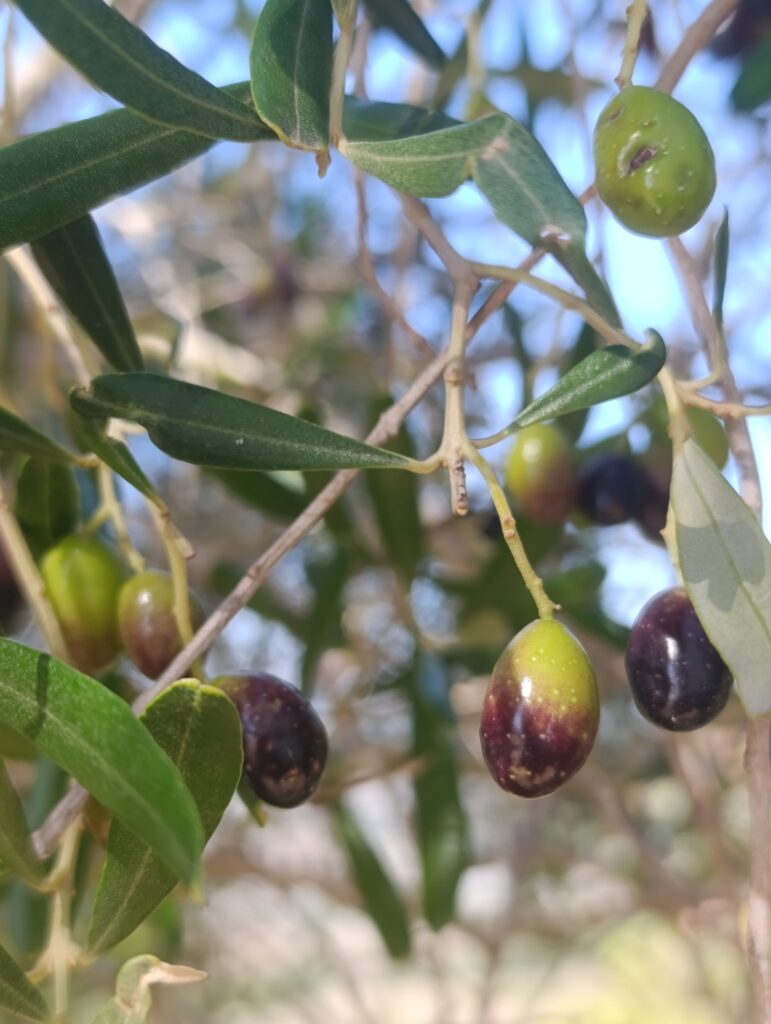
The olive grove is, without a doubt, one of the most emblematic and strategic crops of our country. Spain is the largest producer and exporter of olive oil in the world, representing approximately 45-50% of world production. The great diversity of varieties, plantation frameworks and producing areas, allows us to offer olive oils of great quality and different organoleptic profiles.
However, not all production models are equally competitive and face the same challenges. While super-intensive systems are becoming more competitive thanks to mechanization and resource optimization, traditional and intensive olive orchards continue to struggle with a recurring problem: high harvesting costs. In many traditional farms, harvesting can double the costs compared to more modern systems. This poses a serious threat to their profitability and their permanence in an increasingly uncertain market: marked by climatic variability, price volatility and growing pressure on production costs.
The current challenge of the olive grove
Harvesting is, in most cases, the most expensive part of the olive season. In the traditional olive grove, characterized by wide frames, large trees and often complicated orography, harvesting and harvesting require more labor, more time and more machinery than in intensive and super-intensive models. For this reason, the current challenges faced are growing: rising production costs, labor shortages in the campaign, the need to remain competitive with other producing countries… In this scenario, it is essential to have tools that improve efficiency, optimize processes and at the same time respect the environment.
The need for new solutions
In this context, the sector is demanding innovative tools to reduce costs, improve efficiency and, at the same time, guarantee the sustainability of production. Technologies applied to harvesting, digitization of the field and, more recently, biotechnological solutions, are leading the way towards a more profitable and environmentally friendly agriculture. This is where a novel alternative emerges: biostimulants designed to optimize harvesting, which act on the natural mechanisms of the olive tree to facilitate fruit detachment at the right time.
DROOPY®, a new ally for olive groves
With this vision, LAINCO has developed DROOPY®, a natural biostimulant with organic certification that promises to become a turning point for the traditional olive grove.
Recently presented at the Jornada del Olivar (Córdoba), DROOPY® has aroused great interest among professionals and organizations in the sector thanks to its ability to promote the natural fall of the olive at the optimum moment, optimizing harvesting and reducing costs.
Relive the presentation of DROOPY® in Córdoba with the Jornada del Olivar: all the tests carried out and presentations and expert round table where relevant and current issues of the Spanish olive grove panorama are addressed by clicking here!
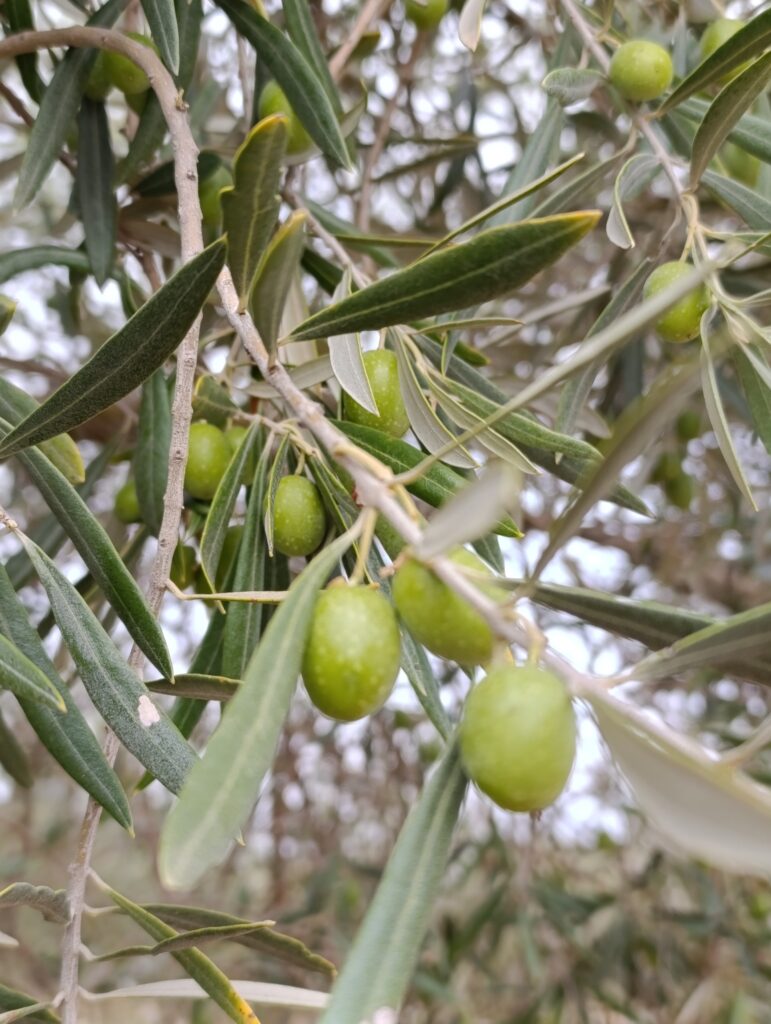
Its mechanism is based on acting on the natural process of abscission -the separation of the fruit from the tree-, reducing the resistance of the peduncle. The reduction of the resistance to detachment facilitates the harvesting of the fruit, whether the harvesting is manual or mechanized, favorably affecting yields and, therefore, facilitating the work of vibrating machines and crews. The result:
Up to 35% less vibration time, which implies lower machinery and labor costs. Higher efficiency in felling (+13%), or in other words, a greater amount of olives felled in the same vibration. Reduction of mechanical damage to the tree as a result of harvesting work. Does not cause defoliation, unlike ethylene releasing compounds. No residues in the tree, fruit or oil.
In addition, it is easily applied by foliar spraying, at a dose of 0.3%, 7 to 10 days before harvest, which makes it a practical and viable solution for farmers and growers.
A horizon of competitiveness and sustainability
The arrival of products such as DROOPY® opens a new horizon for the olive grove. Reducing harvesting costs not only improves the profitability of farms, but also makes it possible to keep alive a cultivation model with great social, cultural and environmental value in many rural areas.
In a sector marked by market uncertainty, a commitment to sustainable innovation is more necessary than ever. DROOPY® is emerging as a key tool for strengthening the competitiveness of the olive grove, providing efficiency, savings and respect for the tree.
The future of the olive grove lies in finding a balance between tradition and modernity. And biotechnology applied to the field will undoubtedly play an essential role in this process.
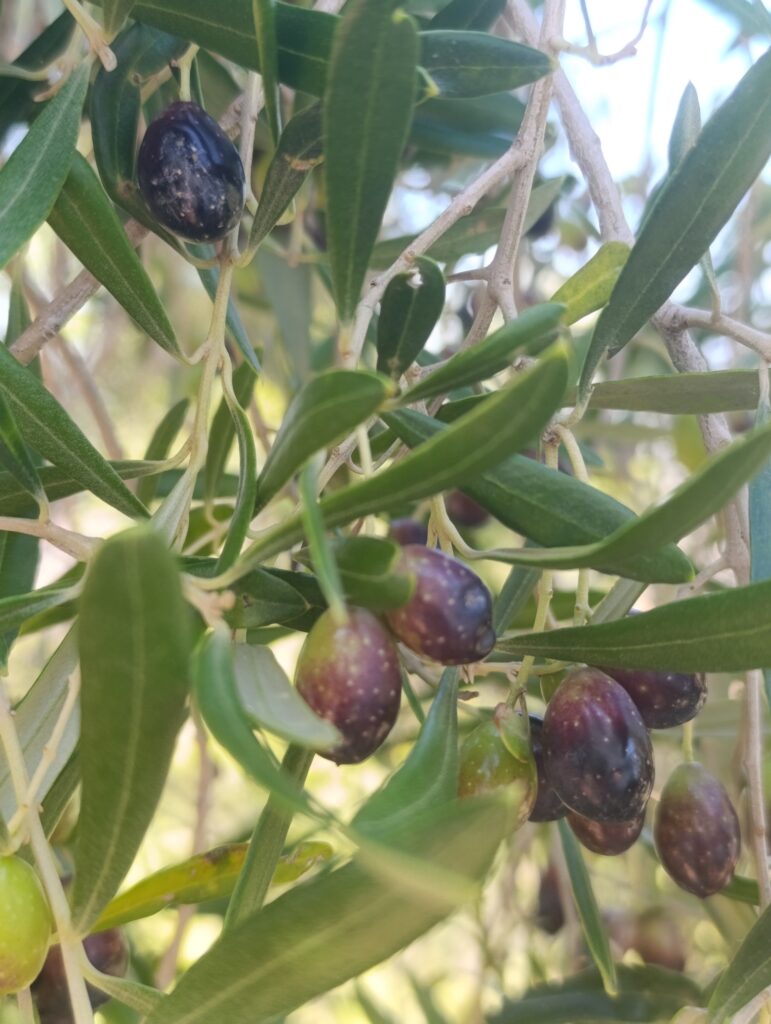
More olives are fully treated with DROOPY®.

