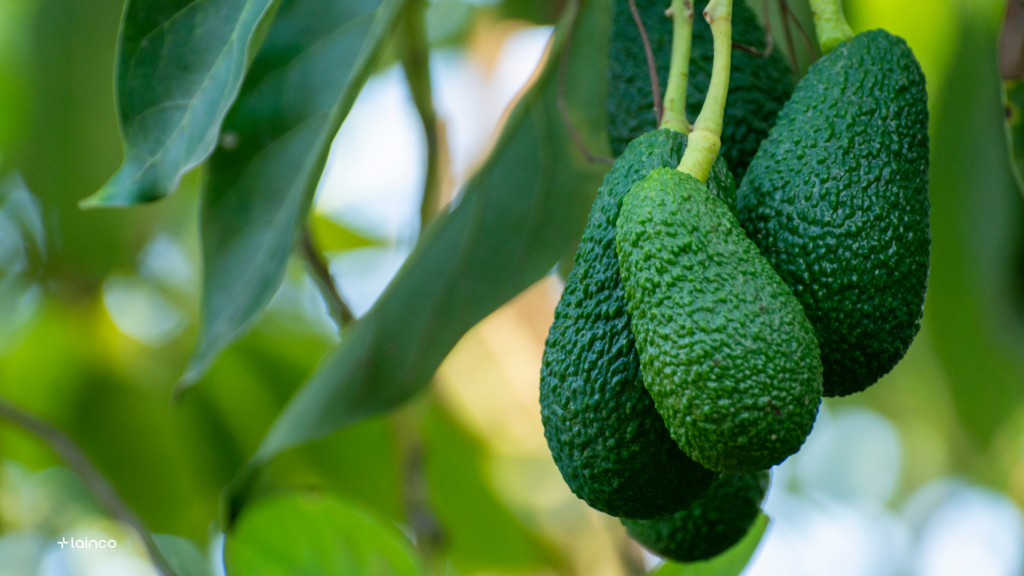
Avocados and the new diseases affecting their cultivation
The area devoted to avocado cultivation in Spain has grown significantly in recent years, reaching approximately 24,000 hectares in 2024. Most of this area is concentrated in Andalusia (65% of the total area), followed by the Canary Islands and the Valencian Community.
Spain is among the top 20 avocado-producing countries in Europe, with a harvest exceeding 106,000 tonnes per year, contributing 70% of the total EU production and consolidating its position as a key player in exports to European markets.
The economic appeal of the crop, both in terms of the value of primary production and the development of the associated industrial fabric, has driven its expansion into new areas. However, this growth has been accompanied by an increase in phytosanitary problems. The introduction of exotic species, intensive crop management, the effects of climate change and water stress have favoured the emergence of new pests and diseases.

Given this scenario, it is essential to strengthen plant health research and develop solutions to control pests and diseases, as well as mitigate the effects of abiotic stress on the plant and its production.
Main threats to avocados
The crystal mite (Oligonychus perseae) has established itself as the main pest affecting avocados in Spain. It was introduced in 2004 and has spread throughout all producing regions. This mite is mainly found on the underside of leaves, where it forms colonies protected by silk webs. Its feeding damages photosynthetic tissue and, in severe cases, causes defoliation that considerably weakens the tree.
On the other hand, the most damaging pest worldwide is root rot caused by the fungus Phytophthora cinnamomi. This pathogen attacks the plant’s root system, colonising the roots and preventing the proper absorption of water and nutrients. Symptoms include yellowing, wilting, defoliation, premature fruit drop and, in advanced cases, tree death.
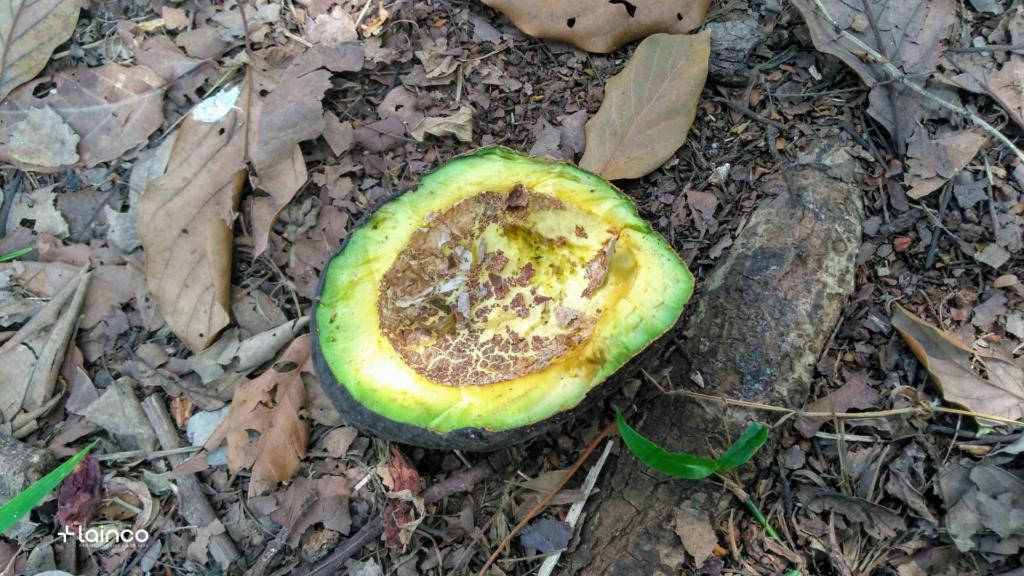
Currently, white rot, another root disease caused by the fungus Rosellinia necatrix, is emerging. It is more common in southern Spain, especially Malaga, Cadiz and Huelva, affecting mainly young plantations and soils with drainage problems. The infection begins in the roots and progresses to the aerial parts, causing the plant to decline due to reduced water and nutrient absorption and the release of toxins and, in advanced stages, death.
New diseases
In recent years, there has been a significant increase in the incidence of what is known as Regressive Death or Aerial Fungus, caused by a complex of fungi of the Botryosphaeriaceae family, mainly Neofusicoccum and Lasiodiplodia.
The most characteristic symptoms include the drying of branches throughout the crown, which begins at the tip and progresses towards the base, and weakening of the bark. In addition, white crystalline exudates and reddish colouring of the vascular bundles appear. Studies indicate that the main triggering factor is plant stress, associated with extreme episodes of heat, cold, drought or excess moisture.
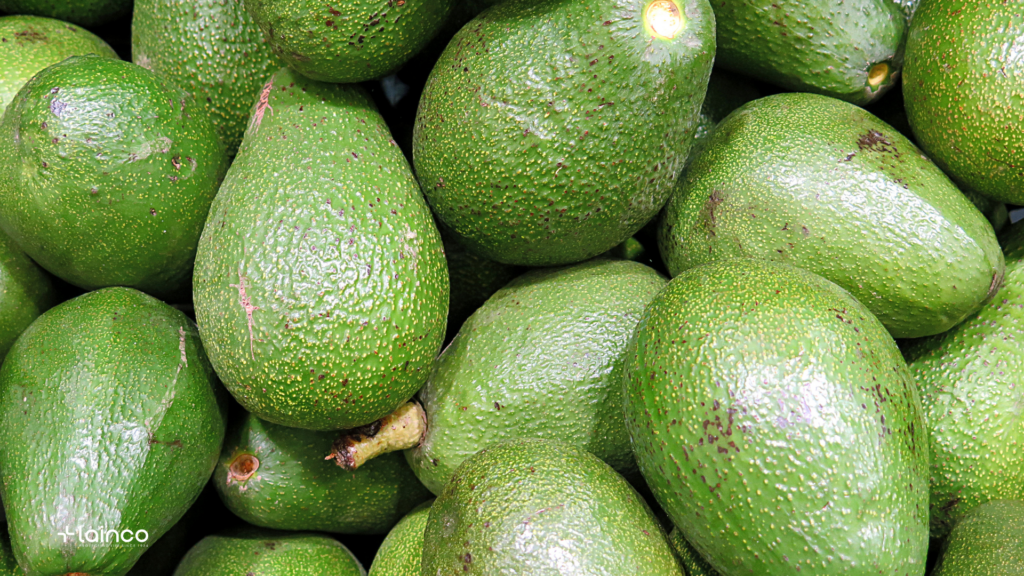
Although these symptoms existed sporadically in the past, their incidence has intensified over the last decade, reaching its peak during the severe droughts recorded in 2023 and 2024. Currently, control of this disease is limited by the lack of registered chemical active ingredients for cultivation, or by their restriction to organic farming.
Current and future challenges
The company LAINCO has developed an annual treatment schedule that combines balanced nutrition management, solutions to reduce abiotic stress, and specific strategies for controlling major pests and diseases.
Chemical solutions, such as CUNEB and LAINCOIL, are complemented by state-of-the-art biostimulants —GLOBBER, HORTIT and TERLAI— and microorganism-based biofertilisers, such as TRAIK, LANAPLUS and BIOPTIMUS. This comprehensive approach seeks to support the production sector and contribute to the maintenance and improvement of national avocado production.

